Ever wondered why Greeks celebrate Christmas on a different day than most of us? Greek Orthodox Christmas 2026 lands on January 7th, sticking to the ancient Julian calendar rather than the Gregorian one used widely worldwide. This isn’t just about dates — it’s a deep-rooted expression of faith, culture, and history that’s anything but ordinary.
Why Greek Orthodox Christmas Matters in 2026
Greek Orthodox Christmas isn’t just a stubborn old tradition holding on for dear life. Nope. It’s about preserving the authentic spirit and timing of the nativity as it was originally commemorated. This means the celebrations stretch beyond just one day, flowing into the iconic Twelve Days of Christmas, blending religious reverence with lively folk customs.
In 2026, amid a world that rushes past holidays in record speed, sticking firmly to this calendar reinforces a sense of timelessness and connection to ancestors who saw Christmas not as a weekend event but a sacred season.
5 Key Traditions of Greek Orthodox Christmas 2026
1. Festive Liturgy and Church Services
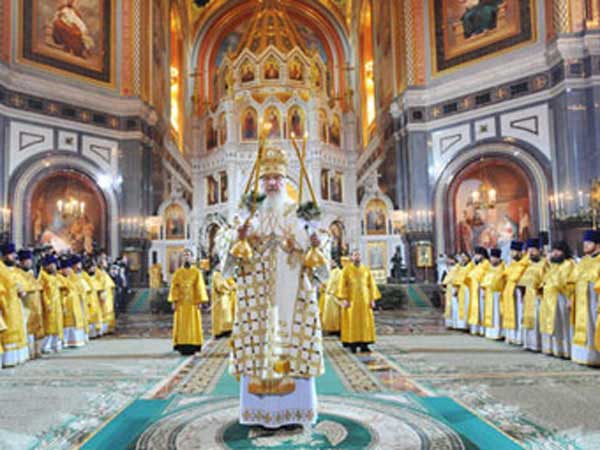
Expect candlelit churches brimming with hymn singing and incense. The Divine Liturgy is the heart of the observance — a solemn yet uplifting celebration best for anyone wanting to feel the spiritual pulse of the season firsthand.
2. Breaking the Christopsomo (Christ’s Bread)
A specially baked bread decorated with a cross makes the rounds at family tables. Sharing this bread symbolizes unity and reminds everyone that Jesus is central to the celebration. Perfect for those keen on understanding symbolic rituals.
3. Caroling (Kalikantzaroi Chasing)
Kids roam neighborhoods singing traditional songs — a noisy, joyful chaos meant to chase away mischievous goblins known as Kalikantzaroi. This unique custom is ideal for families and community lovers craving interactive fun.
Source: www.calendardate.com
4. Feast of Clean Monday
Though technically after Christmas, it sets the fasting tone leading into Lent. It’s rich with history and flavors, perfect for foodies and observers curious about the rhythms of Orthodox life.

5. Gift-Giving on New Year’s Day
Instead of Christmas Day, gifts are typically exchanged on January 1st or after church services, stretching the excitement past the holiday itself. Great for those who like to savor the festive spirit a little longer.

Source: www.calendarr.com
Expert Tip for Celebrating Greek Orthodox Christmas 2026
Want the authentic experience? Immerse yourself in the local church services and engage with community traditions deeply rooted in faith and togetherness. Check out official resources like the Remitly cultural guide for insider insights and preparation tips to make your celebrations memorable and respectful.
FAQs About Greek Orthodox Christmas 2026
Q: Why is Greek Orthodox Christmas on January 7th?
Greek Orthodox churches still follow the Julian calendar for religious dates, which currently runs 13 days behind the Gregorian calendar. Thus, Christmas falls on January 7th instead of December 25th. Learn more about the calendar differences from NBC New York’s overview.
Q: Are there special foods served?
Absolutely. Traditional dishes like roasted lamb, melomakarona (honey cookies), and kourabiedes (almond shortbread) are staples. These recipes carry centuries of shared family stories and are perfect for anyone seeking an edible history lesson.
Q: How long does the celebration last?
The festivities extend through the 12 days, ending with Epiphany on January 6th, marked by blessing waters and religious ceremonies, signaling fresh beginnings and purification.
Q: Can visitors join the celebrations?
Yes! Most churches and communities welcome visitors warmly. Just remember to wear respectful attire and participate with an open heart. Finding events and service times can be easier with official Orthodox calendars and guides.
Q: What’s the significance of Epiphany following Christmas?
Epiphany commemorates the baptism of Jesus and is a huge deal in Orthodox Christianity, often involving water blessings and festive outdoor celebrations. It’s all part of the elongated and profound Christmas season.
In sum, Greek Orthodox Christmas 2026 isn’t about sticking to outdated routines. It’s about celebrating faith, family, and history with passion and pride (and a little delicious feasting). Dive in, soak up the atmosphere, and you might just feel the holiday magic in a way you never have before.

Kurt Massey focuses on helping busy professionals elevate daily productivity through actionable organizational tips and downloadable resources like a custom printable calendar. From mapping out a high-efficiency monthly planner to building an intentional holiday schedule. Kurt Massey provides readers with the exact tools needed to turn chaotic routines into streamlined systems so that living well and working efficiently come naturally.